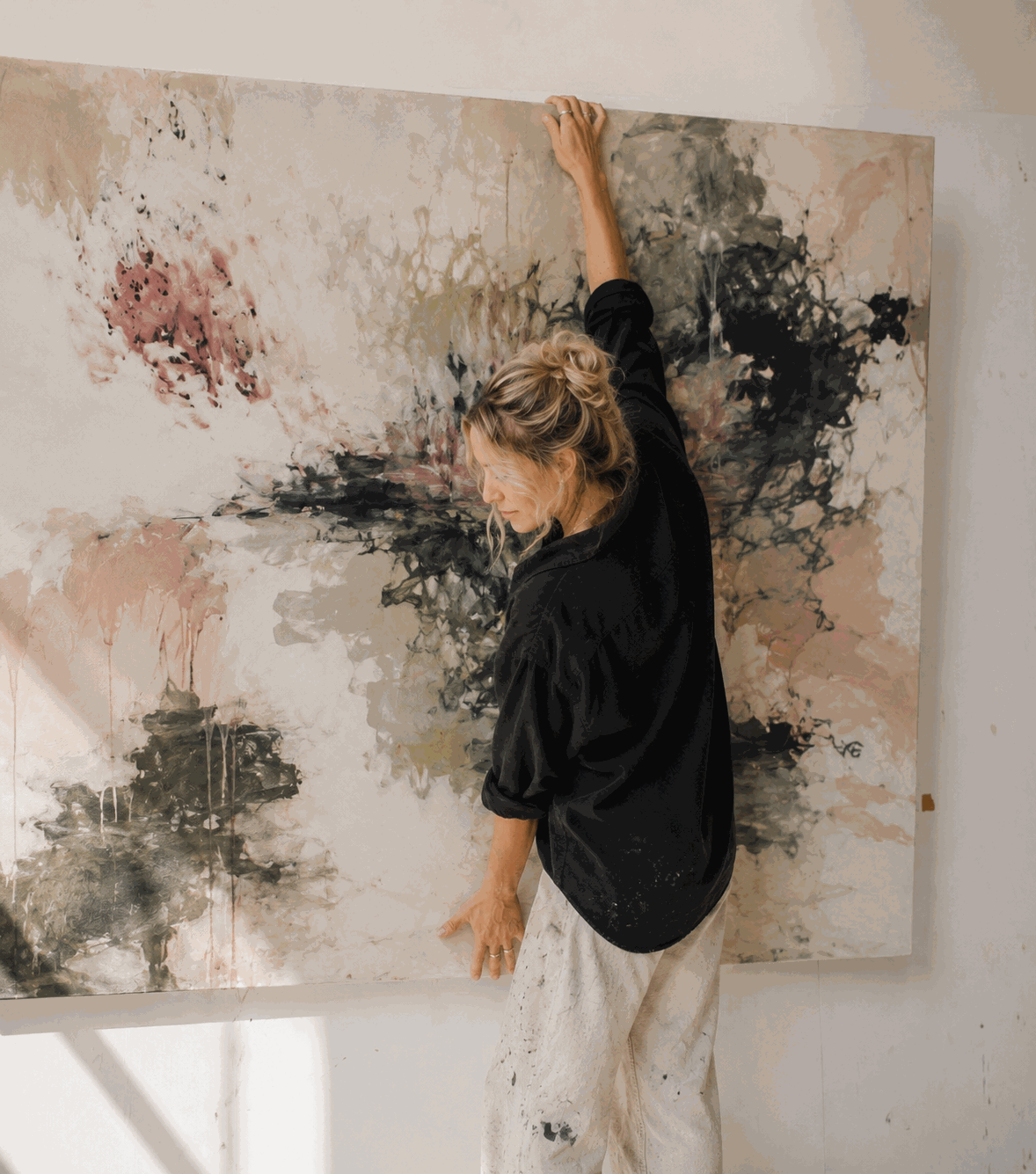

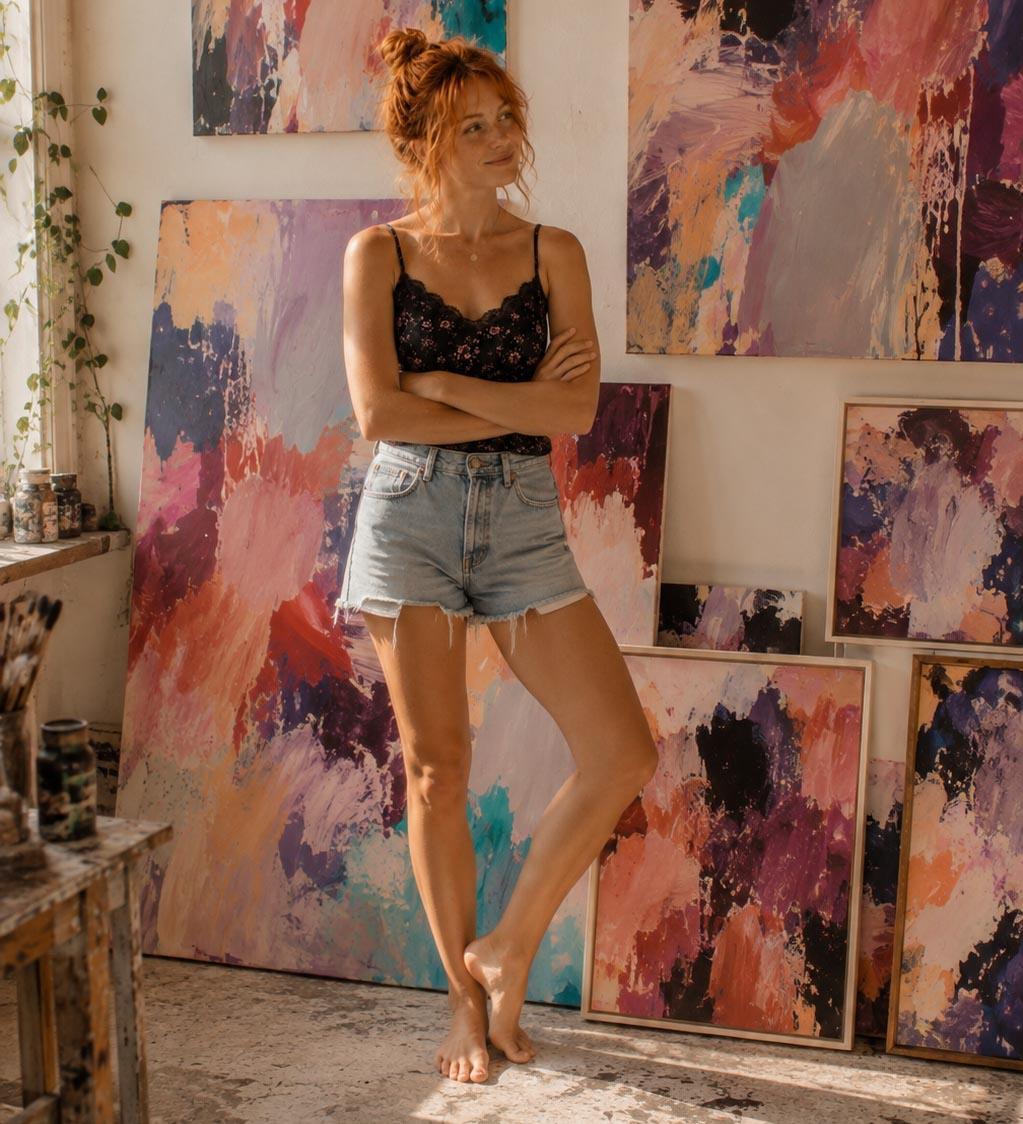
You don't need a gallery contact, an advisor, or a spare room to begin collecting art. You need a wall, a little patience, and a willingness to buy what you actually love before you worry about anything else.
Here's how to start well.

Buy what stops you, not what's trending
The biggest mistake new collectors make is buying for someone else's taste — a colour scheme they read about, an artist everyone's mentioning, a piece chosen to impress a guest rather than to live with. Trends fade. Your own eye doesn't. If you stand in front of a piece and find yourself looking longer than you meant to, that's the signal worth following.
Set a budget — and treat it as a floor, not a ceiling
You don't need to spend a fortune to begin seriously. A single strong original or a well-chosen limited edition print, bought within a budget you're comfortable with, teaches you more about collecting than a dozen pieces bought on impulse. Decide what you're willing to spend before you start looking, and let that number narrow your search rather than limit your ambition.

Understand what you're actually buying
Before any purchase, ask a few simple questions: Is this an original or a print? If it's a print, is it a true limited edition — numbered, capped, never reprinted — or an open edition that can be produced indefinitely? Does it come with a certificate of authenticity? Who is the artist, and is there a consistent body of work behind this one piece? A source who can answer these clearly, without hedging, is a source worth buying from.
Live with a piece before you chase the next one
New collectors often want to fill every wall at once. Resist that. Bring a piece home, hang it, and give it a season before adding another. You'll start to notice how your taste is actually built — which colours you return to, which subjects hold your attention, which pieces recede into the background. That knowledge is worth more than any buying guide.

Let your collection tell a story, not match a palette
A collection isn't a furniture set. It doesn't need to match. The most interesting collections, built over years, tend to hold together not because every piece shares a colour palette but because every piece was chosen with the same honesty — bought because it meant something, not because it fit. Mix mediums. Mix artists. Let the collection reflect how your eye has changed over time, because it will.
Start small, start now
The collectors who end up with the most interesting walls almost never started with a plan. They started with one piece they couldn't stop looking at, and let the rest follow. That's the only real first step — everything else is refinement.