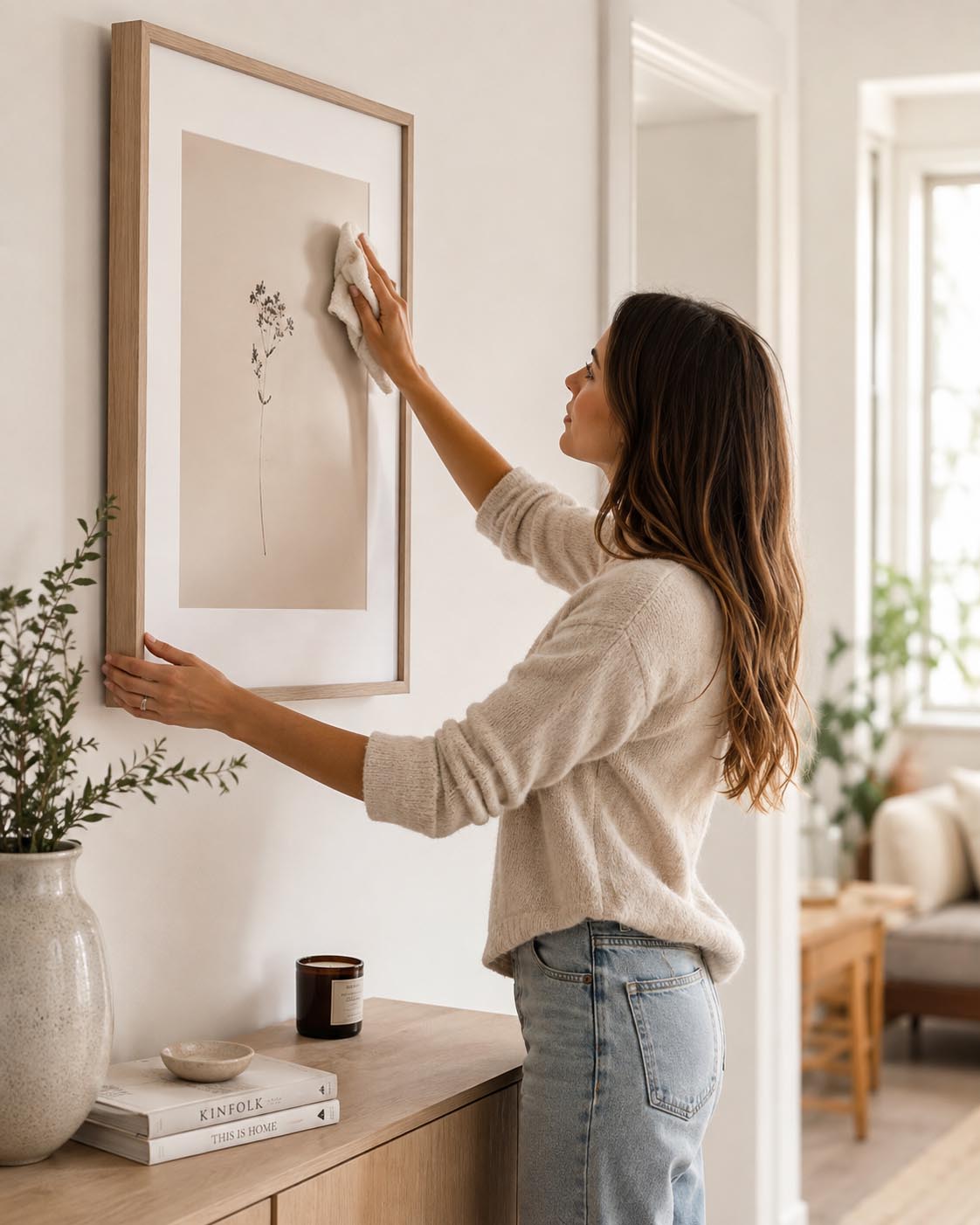
Buying thoughtfully is only half the work. The other half is making sure what you've collected lasts — for you, and for whoever eventually inherits it.
Where you hang matters more than you think
Direct sunlight is the single biggest threat to most works on paper and canvas. UV exposure fades pigments gradually and irreversibly, often before it's visually obvious. Choose walls away from direct sun, or use UV-filtering glazing if a bright spot is unavoidable. Humidity matters almost as much — avoid hanging original works in bathrooms, kitchens, or anywhere temperature and moisture swing widely. A stable, moderate environment is the best thing you can give a piece.
Framing is protection, not just presentation
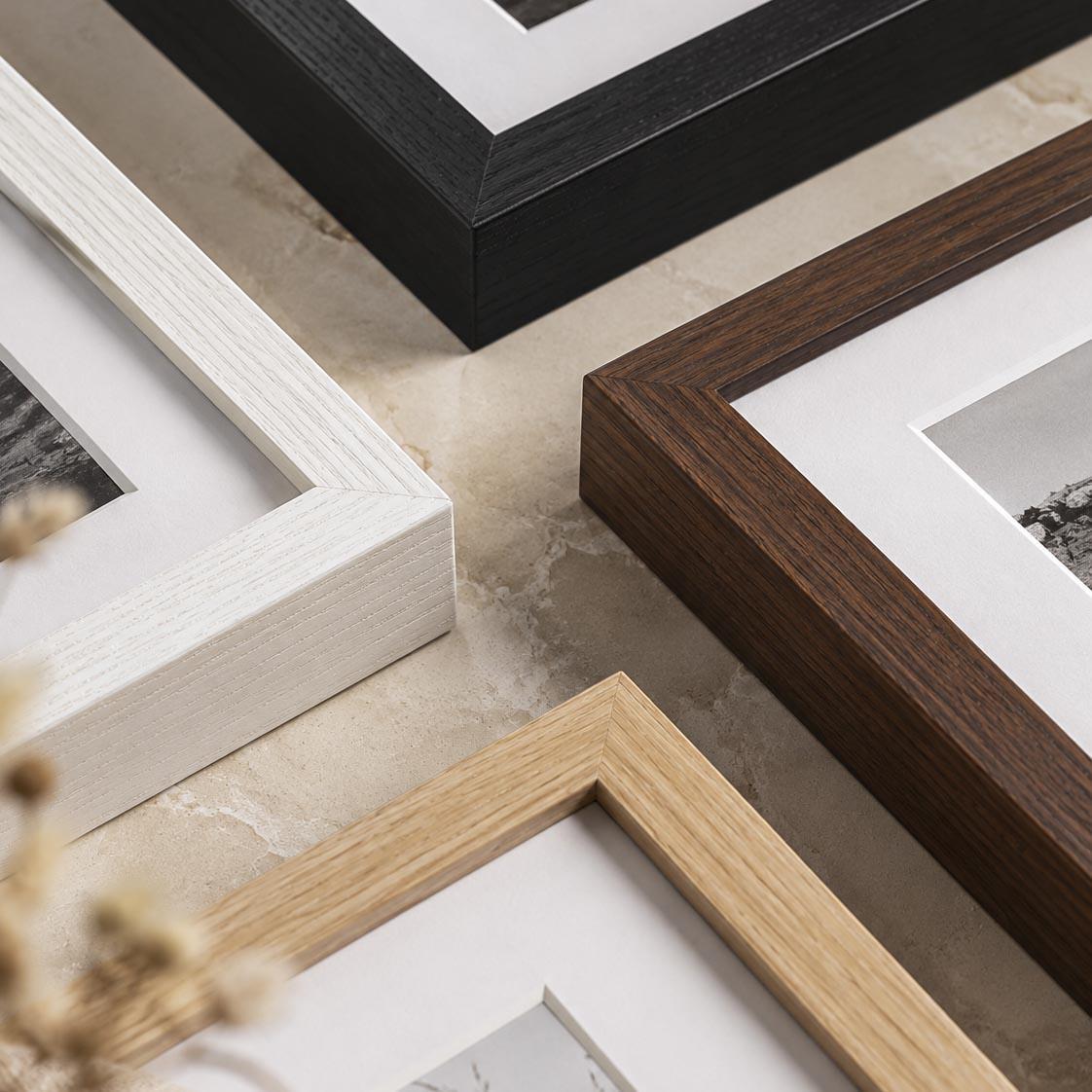
For anything you intend to keep long-term, frame with acid-free, archival mats and backing boards. Acidic materials — common in cheap framing — will yellow and degrade paper over years, sometimes visibly staining the work itself. UV-protective glazing is worth the added cost for anything hung in a naturally lit room. For originals in particular, it's worth using a framer experienced with fine art rather than a standard retail framing service.

Handle originals and prints differently
Original works, particularly on paper, should be handled by the edges or with clean, dry hands (cotton gloves for anything especially valuable). Avoid touching the surface directly — oils from skin can mark a piece permanently over time. Limited edition prints on more durable stock are generally more forgiving, but the same care habits are worth building regardless.
Rotate rather than store and forget
If you have more pieces than wall space, rotating your collection is far better than leaving works in storage indefinitely. Store unframed or unhung pieces flat, in acid-free sleeves or portfolios, away from light and humidity. A piece that's occasionally displayed and properly stored will hold up better over decades than one left rolled in a closet.

Keep the paperwork
Certificates of authenticity, purchase receipts, and any provenance documents should be kept together — physically and digitally — separate from the artwork itself, in case of damage or loss. For higher-value pieces, consider a dedicated insurance rider rather than relying on standard homeowner's coverage, which often caps art coverage well below actual value.
The long view
None of this is complicated, but it does require a little discipline: the right light, the right materials, the right handling. Do it consistently, and a piece you buy today can look exactly as it should decades from now — which is, in the end, the whole point of collecting something meant to last.