
Moving into a new house or wrapping up a renovation is exciting — but there's often one room-by-room decision that gets left for last: the art. Blank walls can make even a beautifully finished home feel unfinished. The good news is that choosing art doesn't have to be overwhelming. Here are five practical ways to pick pieces that feel intentional, personal, and right for your space.
1. Start With the Mood You Want to Create
Before you fall in love with a single piece, think about how you want each room to feel. A bedroom might call for soft, calming tones and quiet compositions, while a living room where you entertain guests could handle bolder colours or a striking statement piece. Walk through your home room by room and jot down one word for the mood you're after — "restful," "energetic," "warm," "airy." Let that word guide your choices instead of shopping randomly and hoping things fit later.

2. Let Your Existing Palette Lead the Way
Your new home already has a colour story, whether it comes from your walls, flooring, furniture, or natural light. Rather than choosing art in isolation, pull two or three key colors from your space — a rug, a couch, a tile backsplash — and look for artwork that either echoes those tones or offers a deliberate, complementary contrast. This doesn't mean everything needs to match perfectly; a little tension between art and decor can actually make a room more interesting. The goal is coherence, not uniformity.
3. Think About Scale Before Subject Matter
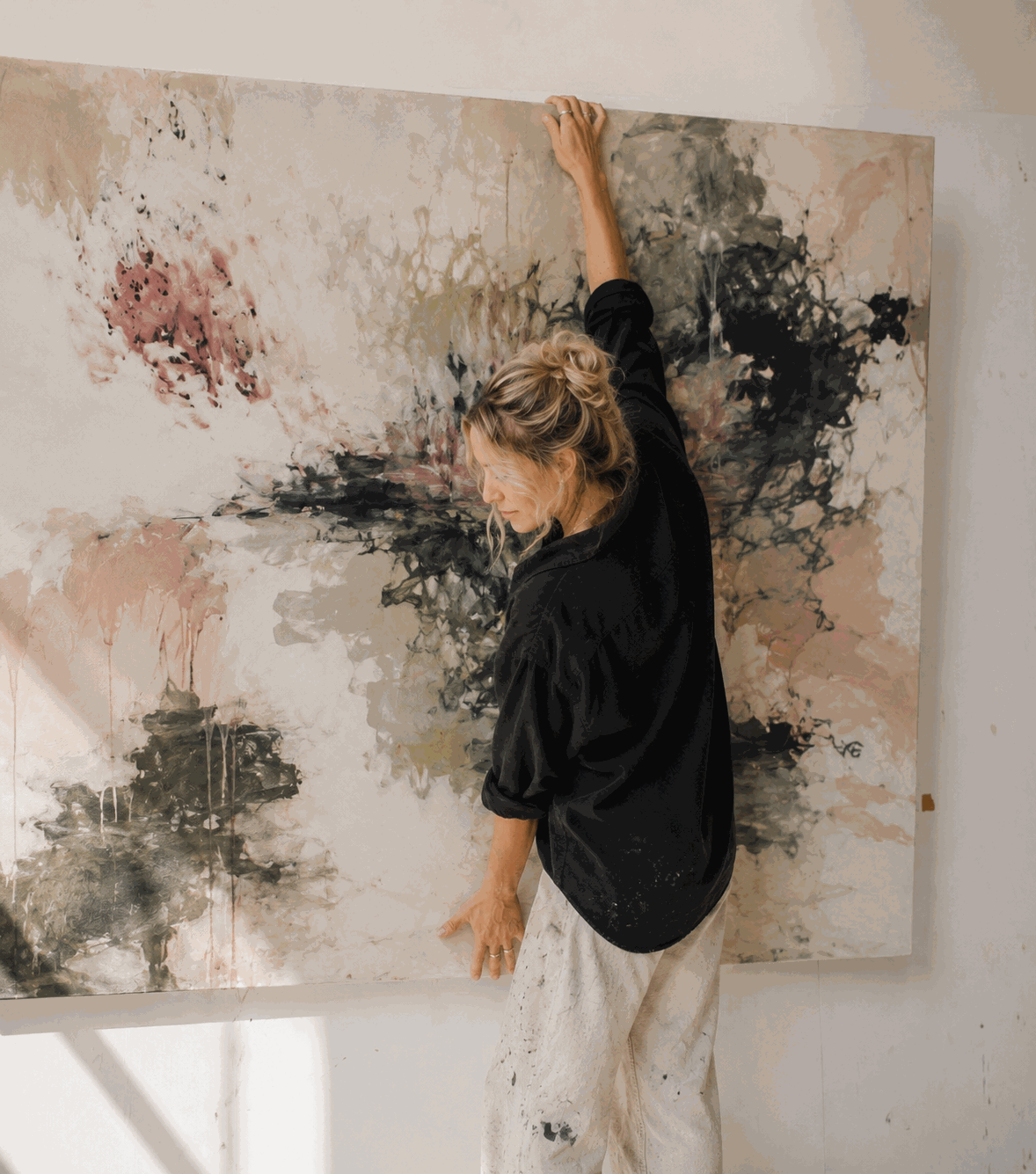
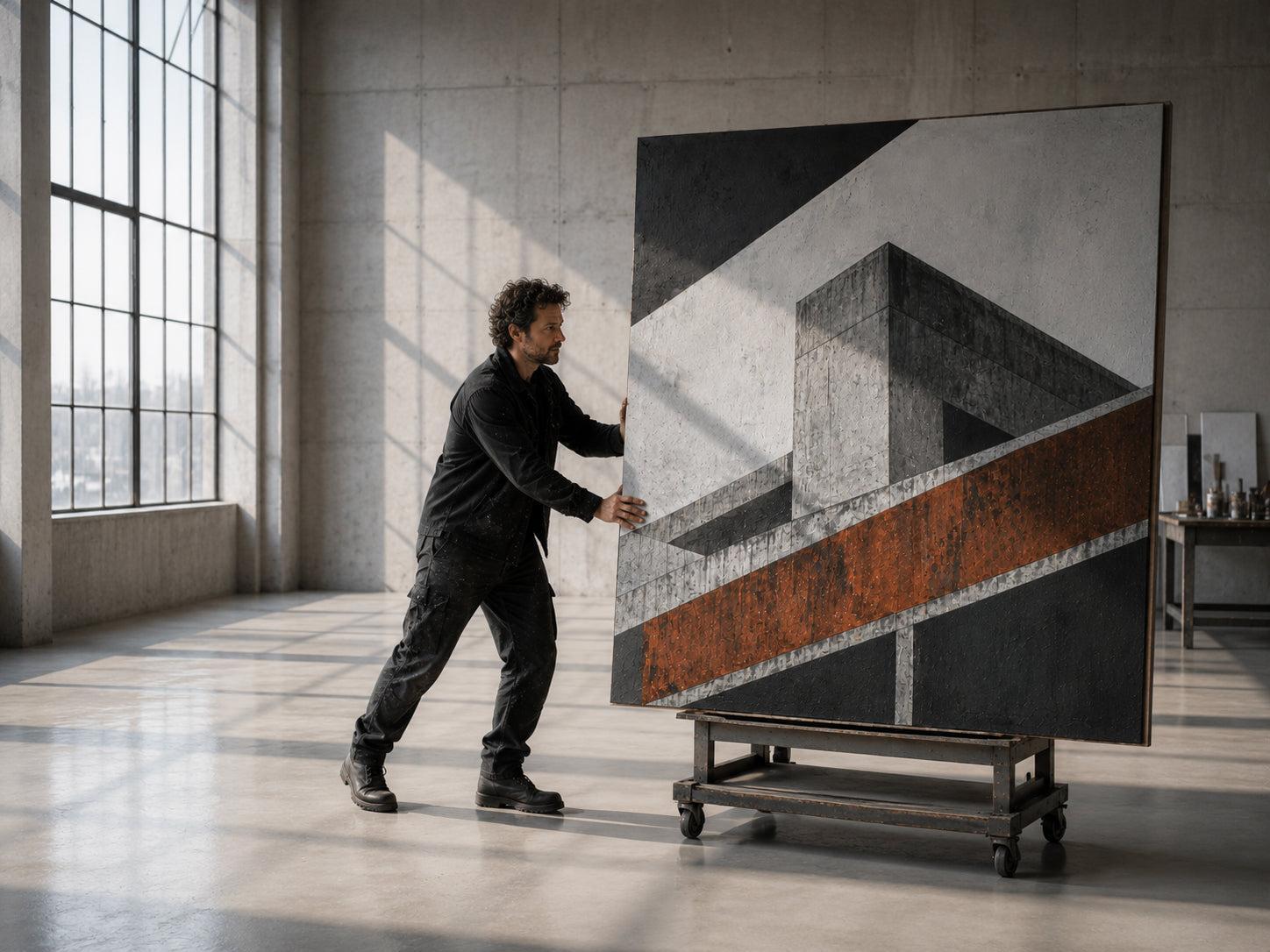
One of the most common mistakes people make is choosing art that's too small for the wall it's meant to fill. A general rule of thumb: art should take up roughly 60–75% of the width of the furniture it hangs above, like a sofa, console table, or bed headboard. For large, empty walls, consider an oversized single piece, a diptych or triptych, or a gallery wall of smaller works arranged together. Measure your wall space first, then shop — it will narrow your options and save you from a piece that gets lost or overwhelms the room.

4. Choose Pieces That Reflect You, Not Just a Trend
It's easy to default to whatever's popular at the moment, but art you'll love for years should say something about you — your travels, your interests, a colour you're drawn to, a memory you want to hold onto. Mix it up: original paintings, photography, prints, textiles, or even meaningful objects framed as art all count. A home feels most finished when the art on the walls tells a story that's actually yours, rather than one borrowed from a showroom.
5. Buy Once You're Living in the Space
It's tempting to shop for art before you've even moved in, but rooms often reveal themselves differently once you're actually living in them. Natural light shifts throughout the day, furniture gets rearranged, and your sense of how a room is used can change. Give yourself a few weeks to settle in before committing to major art purchases. Blank walls aren't a failure — they're an invitation to choose thoughtfully instead of quickly.

A Quick Word on the Rest of Your Decor
Art doesn't exist in a vacuum — it works best as part of a considered whole. As you settle into your new or renovated home, keep these finishing touches in mind:
- Sofas: Your sofa often anchors the whole room, so choose it before finalizing smaller decor. Prioritise comfort and durable, easy-to-clean fabric if you have kids or pets, and pick a neutral base if you plan to change accent colors often.
- Lighting: Layer your lighting with a mix of overhead fixtures, table lamps, and floor lamps rather than relying on one central light. Warmer bulbs (around 2700K–3000K) tend to create a cosier atmosphere in living spaces and bedrooms.
- Rugs: A rug should be large enough that at least the front legs of your furniture rest on it — too small a rug can make a room feel disjointed. Choose materials suited to the room's traffic, like wool or synthetic blends for high-use areas.
- Decorations: Smaller touches — vases, books, candles, plants, and trays — help tie a room together once the big pieces are in place. Add them gradually rather than all at once, and don't be afraid to leave a little visual breathing room.
Furnishing and decorating a home is rarely a one-weekend project — and that's okay. Take it room by room, trust your own taste, and let your space evolve naturally over time.